Page 9

All stories

Uncategorized

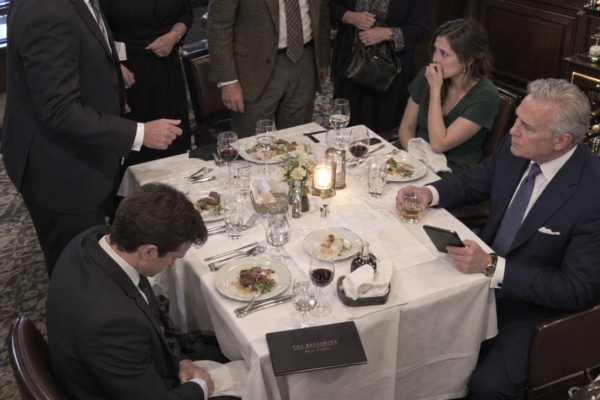
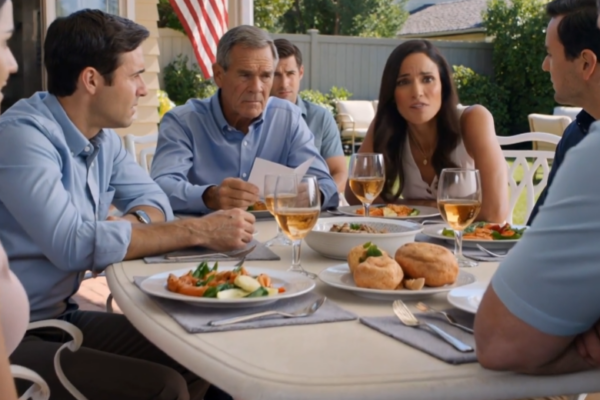
On the twenty-eighth floor of a Park Avenue tower, a man in a charcoal suit looked at my brother’s rain-soaked jacket and told the maître d’, loud enough for everyone to hear, “We only sit with the elite. We don’t entertain ordinary people.” My daughter froze beside me. My brother quietly stepped back. And Richard Whitmore smiled as though he had just done the entire table a favor. What Richard didn’t know was that nine days earlier, an unsigned document had landed on my desk. A document that could change everything he thought he controlled. My name is Oliver Hayes. That evening was supposed to be about my daughter Emily and Daniel, the young man she planned to marry. I only wanted a peaceful dinner with his family. The restaurant was Aurelia, high above Park Avenue, where bread arrived beneath linen and nobody bothered asking what the wine cost. I had arrived twenty minutes early, wearing an eleven-year-old navy suit my late wife, Margaret, had chosen for me. On my wrist was a scratched steel Seiko. I drove a Ford. The hostess noticed my watch when she took my coat. I recognized that glance. After enough years, you learn that people who decide what you’re worth by looking at your wrist rarely bother looking any deeper. Emily appeared in a green dress, her hair pinned up the way her mother used to wear it. She kissed my cheek, squeezed my hand, and whispered, “Dad, just be patient with them tonight. Please.” “I’m always patient.” “I know,” she said. “That’s what worries me.” Then the Whitmores arrived. Richard was sixty-seven, silver-haired, immaculately dressed, and perfectly comfortable making everyone else uncomfortable. Patricia wore three strands of pearls and studied me as though I were an unwelcome addition to the evening. Daniel, at least, shook my hand firmly and looked me in the eye. “Daniel tells me you’re in shipping,” Richard said. “Industrial logistics, mostly.” “Ah. Trucks.” He said it kindly, which somehow made it worse. Over dinner, Richard asked about my home in Westchester. When I told him I’d lived in the same colonial for twenty-two years, he repeated the number as though he couldn’t imagine anyone choosing such an ordinary life. Patricia wanted to know what I drove. When I said “a Ford,” she echoed the word with a faint smile and returned to her wine. Richard filled the evening with senators, CEOs, and weekends on a hedge fund manager’s boat. Every story seemed carefully chosen to remind us how important he was and how fortunate we were to be sitting with him. I ate my salmon and listened. Margaret used to say, “The loudest bell in the room is always the cheapest metal.” She’d been gone seven years, but I could almost hear her saying it beside me. What Richard saw was an older widower with a scratched watch and an aging suit. What he couldn’t see were the years before that dinner: my father working as a machinist in Dayton, my first job as a mechanical engineer, and the rented warehouse Margaret and I had started with one used truck and two loading docks. She kept our books at the kitchen table. For years, I paid my drivers before I paid myself. We agreed that whatever became of our business, money would never become a costume. That night, I intended to keep it that way. Emily tried to redirect the conversation toward the wedding, the florist, and Daniel’s work at the foundation. Richard patiently waited for her to finish before returning to himself. Once, Daniel tried to interrupt. His father raised one finger, and his thirty-three-year-old son immediately fell silent. Under the table, Emily’s knee bounced against mine. That was when I understood she wasn’t simply nervous about making a good impression. She was afraid of what her future father-in-law might do if anyone challenged him. Then the dessert menus arrived. The maître d’ approached with two guests. My brother Frank stood behind him with his wife, Lorraine. Frank was sixty-six, a retired union electrician with rough hands, damp hair, and a tweed sport coat. Emily had invited them because she wanted family at the table who would laugh without first checking whether they were allowed to. Richard looked Frank up and down. Then came those words about sitting only with the elite. Lorraine’s smile disappeared. Frank gave a small, understanding nod and began backing away, so quietly that it hurt more than any argument could have. Daniel stared at his plate. Emily turned toward me, fear filling her eyes. She expected me to explode, to defend my brother in a way that would leave her engagement in ruins. But I didn’t raise my voice. I simply set down my glass. “Are you sure that’s the standard you want to use tonight?” I asked. Richard laughed. “I’m protecting family standards, Oliver. Somebody has to.” I looked at my brother, a man who had spent forty years working with his hands and had never believed honest work made him better than anyone else. Then I thought about the document my chief of staff, Nora Castellano, had placed on my desk nine days earlier. It concerned Whitmore Holdings and obligations buried inside a four-year-old credit agreement. I’d asked her to hold it until after the wedding. I didn’t want my daughter’s happiness caught in a business dispute. But watching Frank step away from a table where his own family was sitting, something inside me became very still. I reached into my jacket, took out my tablet, and called Nora. I spoke one sentence, quietly enough that only the people nearest me could hear. Richard laughed again, louder this time. Then his phone began vibrating against the white tablecloth. Once. Then again. And again. He glanced down. The message was from his CFO. Richard read it. The smile disappeared from his face. Only moments earlier, he had been deciding which people were worthy of sitting at his table. Now he was staring at a message he clearly hadn’t expected, his confidence draining away before my eyes. Emily looked from his phone to me. Daniel sat motionless. Even Patricia had stopped talking. And Richard Whitmore, the man who had spent the entire evening treating me like I was beneath him, was suddenly confronting something he didn’t understand. He still didn’t know what that four-year-old agreement had to do with me. Or why one quiet phone call had changed everything. …FULL STORY IN THE COMMENT

The man across the table had just told my brother, in front of a room full of strangers, that his family did…

editc009 Oct 12 · 40 min