“My illness is back, please help me…” i texted, “handle it yourself, dinner is in a few hours…” my parents replied before hanging up, without hesitation, i called the house manager: “cancel everything, they won’t be living there anymore,” the next morning, my mom called 47 times…
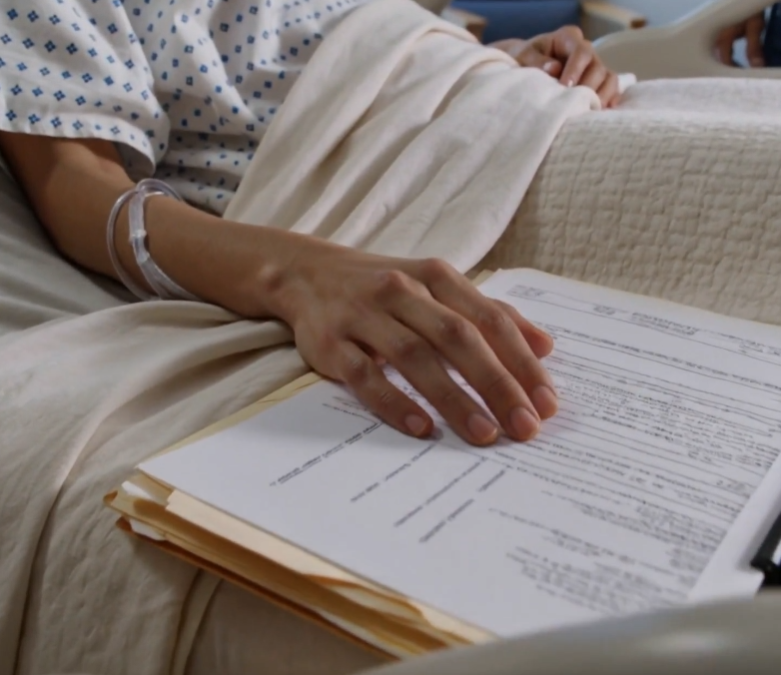
The pain that had come and gone for years dropped me to the kitchen floor before I could reach my keys. My name is Marica Ellison. I’m thirty-two, and the only move I could still make was to text my parents because I couldn’t get myself to a car.
I pressed my thumb against the tile and sent the only line that mattered.
“My illness is back. Please help me.”
Their reply landed before I could even add where I was.
“Handle it yourself. Dinner is in a few hours.”
Then the line went dead.
They were already due at a dinner with my brother’s classmates, so a ride to the hospital never made their list. I stayed on the floor long enough to reach the manager of the house in Brandon—the house held in my name—and told him, without explaining the pain, “Cancel everything. They won’t be living there anymore.”
He asked me to repeat it once. Then he said he would stop every household charge tied to me before morning.
I set the phone on my chest and waited for the room to settle, which took longer than the call.
The next morning, the screen woke me before anyone on the ward did. Forty-seven missed calls from my mother were stacked in one column, and every voicemail was still untouched.
If you have ever been told to handle a crisis alone by the people who should have shown up, stay with me.
Where do you draw the line between family duty and your own self-respect?
I was still in public school the year a van started stopping at our curb for my younger brother, Derek. My mother, Patty, told me the private school had room for one child, and my father, Clyde, said Derek would carry the family further, so the seat went to him.
I took the city bus to the public school on the other side of Brandon while Derek came downstairs with a new backpack and a calculator still in the box, then climbed into the van as I waited at the corner with last year’s books.
Nobody at home was going to drive me both ways.
Mom said the tuition office wouldn’t split a bill. Dad said a boy with Derek’s grades shouldn’t sit in a room where the teacher changed every term.
I packed my own bag after that conversation and learned the bus number by heart.
At my school, the roof leaked over the math room, and the office charged a fee when a locker stuck. Derek’s school sent home a sheet for club photos and a list of supplies that arrived at our door already paid for.
When I asked for the same calculator he had, Mom said the public school didn’t require it. Dad added that Derek had a placement test coming up, so the money already had a job.
I used the library set during lunch and returned it before the bell, which meant I ate after class or sometimes not at all.
Guests who stopped by on Sundays heard about Derek’s class rank. They never heard which bus I caught or why my shoes were wet from the walk.
One week, the office held my lab packet until I paid a small fee while Derek’s photo order was already marked paid on the sheet Mom had left beside the phone. I paid the lab fee out of my bus money and walked two stops.
The first time I brought home a report card with a mark I had actually worked for, Mom looked at the top line and said I had gotten lucky on the test. She didn’t put the paper with the household files.
Derek’s tests went into a folder on the shelf beside the phone, and Mom took that folder down whenever a neighbor stepped into the kitchen. I watched her turn the pages and point at his scores while my own paper stayed in my room, face down on the dresser.
When I asked if she wanted to show mine too, she said the guests weren’t there for a lucky quiz.
Dad nodded from his chair and asked Derek what the school had planned for the next term.
So I cleared the plates without putting my card back on the table.
If I stayed late for a lab, I called the house and got a reminder to come in quietly because Derek had homework. If Derek stayed late, Dad moved dinner and kept a plate warm.
After that, I kept my grades in a drawer. I stopped setting them on the counter where Mom could call them luck again.
A teacher once sent a note about a project I had finished early. Mom said the teacher was being kind. Then she asked whether Derek had remembered his permission slip, so I stopped reading those notes out loud too.
The money started after I took an evening shift at a print shop near Sioux Falls. I was sixteen, which is the only age I need to put on this part. The manager paid me with a check I could cash on Friday.
Before the second check cleared, Mom sat me down and said Derek’s breakfast at the private school cost more than the cafeteria at mine. She wanted five hundred dollars from me every month so his account at the front office stayed open.
She called it a family bill.
Dad said I was already out working anyway, so the amount wouldn’t change my day by much.
I looked at the pay stub and saw that the first month would take most of the check. I said I could cover two months, and then we would see.
Mom said the office billed every month, not whenever I felt ready.
After that, the envelope became part of the job.
I ran the copier, stacked orders, and wiped the glass whenever a customer complained about a smear. On Fridays, I cashed the check at the counter down the street, bought a bus pass, and put five hundred dollars into a plain envelope before I bought anything for myself.
Some weeks, the shop cut my hours. I still filled the envelope by skipping the extra shirt I needed for work and eating half an order a coworker had left on the back table.
Derek never asked where the cash came from. He ate at school and came home full.
Mom thanked me in the same tone she used for a paid utility bill, then asked whether he had signed the next field-trip form.
I started keeping the cash in a separate fold of my wallet so I wouldn’t spend it on the ride home.
Once, I tried to move a shift so I could study for a midterm. The shop would let me leave early if I covered a morning shift, and I told Dad the plan at dinner while he had the van schedule on a pad beside his plate.
Derek had a club meeting that ended after the school van stopped running.
Dad said he needed the car at that hour to bring him home, even though my exam was the next day.
I asked if Derek could wait with a teacher for half an hour.
Dad said the school didn’t watch students after the club ended and he wasn’t leaving Derek on a curb. Mom said I could read on the bus.
The morning shift fell through because I couldn’t be in two places at once. I lost the study hour and still had to make the envelope by Friday.
I read the chapter in the print shop’s back room between orders, ink on my fingers and the book open on a box. The manager let me keep the chapter back there as long as I cleared the counter whenever a customer walked in.
The night I handed over the first full envelope, we were in the kitchen in Brandon. Mom had the school invoice on the table, and Derek was on his phone talking about a morning order he liked.
I set the envelope beside the invoice and said it was the five hundred dollars for his breakfast account.
He looked up, took it, and went back to the call without a thank-you.
Mom slid the invoice into the folder she used for his school and said that was what family did.
Dad told me to wash my hands before I touched the bread because the print-shop smell was still on them, though I had already let go of the envelope by then.
Derek tucked it into his bag like a form he meant to drop at the office. Mom started a list of what he needed for the next week, reading items off the invoice while the envelope was already out of my hand.
The summer I started at the studio in Sioux Falls, I was still renting a room I could cover on my own. The work was product visualization for tech décor, so I built three-dimensional models of lamps, shelves, and wall units that clients would later put on sales pages.
I took the early render queue so the files were ready before the sales team came in, then stayed through the correction notes that landed after lunch.
Rent left my account on the first of every month. Groceries came out of whatever remained after that draft.
Mom didn’t offer to cover a month when I told her the address. Dad didn’t ask what the room cost. When I told them I had the job, Mom asked whether Derek had picked a major yet.
I kept that room because the studio paid on time and the bus still reached the door before my shift.
Derek finished his classes in another city and came home on breaks with stories about group projects. Mom put those stories on speaker whenever I called to say I would miss a Sunday.
Dad once asked if I could look at a laptop problem for Derek, then moved on when I said I was on a deadline.
I didn’t set up a regular payment to my parents during those years, and my name stayed off their household bills.
The studio gave me a raise in my second year. I used it to buy a better chair for the long sits because the files took hours and my room only had a kitchen stool.
Clients asked for finished changes more often than they asked for new products. A lamp that looked right on Monday came back Wednesday with a note about the metal tone. I rebuilt the surface, sent stills, and waited for approval before locking the file.
That rhythm paid for the room.
It didn’t bring Mom or Dad to Sioux Falls.
They did visit Derek for a parents’ weekend I heard about only after it was over. I saw the pictures in the family thread and left them unmarked, then went back to a file that still needed its metal tone adjusted.
Work filled the weekend they were gone, which suited the queue better than a drive I hadn’t been asked to make.
Six years after that first summer, I signed for a small house in Brandon and an older car with a clean title.
Both the house and the loan sat in my name. The closing officer read that aloud before I signed.
I drove my parents over on a Saturday because they had asked to see the place and, somehow, I still wanted them to walk through rooms I had paid for myself.
Mom stood in the kitchen, looked at the loan folder on the counter, and said, “You got lucky with that house. Derek will still outlast you.”
Dad tapped one of the walls as if he were checking for a flaw and said a starter house was fine until Derek needed a better base.
I opened the second bedroom. Mom said it would suit Derek if he came back after graduation, then asked whether the closet was deep enough for his clothes.
We sat at a table I had bought used from a listing near the studio.
Mom said Derek was close to finishing school and she didn’t want him taking the first low offer he got just to cover a room.
Then she looked at me.
“We need to start a monthly launch fund for him.”
I asked what the fund would actually pay for.
She said a room near his campus, software for the work he wanted to pitch, and food until a client signed.
I asked why that had to come from me in the same month I had taken on a house loan.
Mom said the house was already mine, so the pressure sat on me less than it would sit on him.
Dad slid a printed sheet across the table. It listed a monthly room rate, a software subscription, and a grocery figure, with the total circled at the bottom.
He didn’t ask what my house payment was. He didn’t ask what the car had cost at the lot.
He said Derek would treat the money as a start rather than spending money and that I understood business better than they did.
I read the software line twice because it was a full design suite close to what the studio already provided me at work, and Dad had marked it as required.
I said Derek could use a student license until he had income.
Dad said a launch should look serious to the people Derek hoped to meet.
I reminded them that I had taken on the house loan and the car in the same month.
Mom said that was the point of having a steady job.
Dad said the amount on the sheet was temporary. He waited for me to agree before folding his copy.
I asked how long temporary meant.
Mom said until Derek got his first real client. Dad said a graduate with an idea shouldn’t burn the first year working a night shift.
I told them I would look at the sheet at home.
They left the paper on my table when they went out to the car.
The car showed me the cost in a different way. A rattle had started under the dashboard on the drive back from the lot, and the shop had quoted a repair I meant to book after the first house payment cleared.
I had planned to drop it off on Thursday.
Then I looked at the sheet in my bag and saw a total that matched most of the repair quote.
I called the shop from the studio parking lot and moved the appointment to the following month.
The adviser asked whether the rattle was getting worse.
I said I would drive it easy until I could pay.
Then I put the quote in the glove compartment so I wouldn’t lose the number.
On closing day, the officer had asked whether anyone else would be on the deed. I said no and initialed that line before I took the keys.
The first house draft had already been scheduled. Now the launch-fund total was sitting beside it on the same payday.
I moved a grocery run to the following week so both drafts could clear without a returned-payment fee from the bank.
That weekend, I set up a transfer from my checking account to the account Mom had written on the sheet.
I labeled it “Launch Fund” so I would know what it was later.
The first amount left on payday, the same week the repair shop texted to confirm that I had given up the Thursday appointment.
I opened the banking app at the studio before starting my next file because I wanted to see the charge myself.
The transfer sat among the posted items with Derek’s name in the note I had typed.
Nobody else had my login.
I locked the screen and went back to a render that was due before five, with the posted line still sitting in the app under the label I had given it.
Eight months after that first transfer, the fund was still leaving my account on the same day every month. I could have set a clock by the order of the drafts.
Payday hit. The house payment cleared. The launch line followed before I even opened the banking app.
Derek was out of school by then, although he still hadn’t rented a desk or a small office in Sioux Falls.
The charges that came back through the shared notes were for a leased car, two jackets from a shop downtown, and dinners with people he called his class.
Mom sent me a picture of him beside the car and said the image mattered if he wanted those people to take his idea seriously.
I asked for a copy of any client invoice.
None came.
Dad said the meetings were the work and that a room could wait until somebody signed.
I kept the transfer going because stopping it over a photograph felt like a fight I didn’t have the energy for that night.
Derek posted the dinners more often than he posted any sketch. There were tables, rounds of drinks, and his name on a placeholder card.
The fund notes on my statement matched those dates, which told me the money was in the room even when the idea wasn’t.
My coworker, Felicia Knox, saw the statement once because I had left it open on my studio desk while I stepped away for a file check.
She waited until I sat down again, tapped the line with her finger, and said, “This transfer has his name on it. You know that, right?”
I told her it was a family start and that I had agreed to a set number of months.
She didn’t ask another question. She slid the page back toward me and returned to her own model.
I didn’t cancel the transfer that afternoon.
I locked the app, finished the lamp revision, and sent it for review before five.
The pain showed up after a week of long sits.
It was the same low ache I had ignored once or twice during the past year, low on my right side, disappearing whenever I stood and walked the hall.
I took the tablets I kept in my desk drawer, drank water at the sink, and opened the next file.
Felicia asked if I wanted the later queue. I told her I was fine and took the notes anyway.
By the time the render finished, the ache had eased.
I drove home in the car that still had the rattle, with the shop appointment still pushed into the next month.
My parents asked to have people over at the Brandon house on a Friday because Mom said Derek needed a room that looked settled, and the place he was using near campus was too small for the group.
I said yes. The house was usually quiet on weekends, and I would be at the studio until seven.
When I came home, coats were draped over my chairs and Dad was pouring drinks in the kitchen I paid for.
The guests were Derek’s classmates.
They asked him about a product idea I had never seen a file for. When he paused, Mom answered for him.
Nobody asked what I did at the studio, although one woman thanked me for letting them use the table.
After they left, I washed the glasses while Mom told me the night had gone well.
Then she told me to leave the fund exactly as it was.
The restaurant charge appeared the next week—a deposit for a private room in Sioux Falls. It had come out of the same account I was feeding, with the dinner date set for a class meetup.
I matched it to a picture Derek had sent that week: a long table with place cards, Mom and Dad already sitting in the frame during a planning lunch.
I called Mom from the studio parking lot.
She said the room had to be held or the group would book somewhere else.
I reminded her that the fund was supposed to cover a room, software, and food.
She said the room was the software now because people funded people they had sat with.
Then she added, “Keep the fund going. His classmates are watching.”
I stayed on the transfer after I hung up.
The deposit remained posted.
Between those dinners, Derek asked me to cover the first month of the car lease.
I refused because the fund already contained a car expense.
He sent the lease contract anyway. His name was the signer, along with a note saying Mom had told the dealer I would be the backup account.
I wrote back that I would not be on the contract.
Mom called it a small miss and said his classmates had already seen the car, so pulling it away would look worse than paying the fund as planned.
I kept my name off the lease.
I also left the monthly transfer where it was.
The studio workload didn’t slow down while that argument sat in the family thread.
A client wanted three wall units rebuilt with a new finish before a Monday review, and I took the files because the queue had my name on it.
I worked through two evenings with the ache coming and going.
Tablet bottle in the drawer. Water bottle beside the keyboard.
Felicia handled her own product line and crossed over to my desk only when a texture failed.
On the second evening, I stood in the hallway until the pain dropped, then sat again and finished the stills the client had marked urgent.
The ache came back during a Thursday render that ran past dinner.
I took two tablets, set a timer, and kept the model open because the client wanted stills before morning.
Felicia dropped a corrected texture on my desk. She didn’t mention the bank statement.
Standing helped for a few minutes. Sitting brought the ache back.
I finished the stills, sent them, and drove toward Brandon with one hand pressed against my side at the red lights.
Before leaving the studio that Thursday, I checked the account one more time.
The deposit for the private room was still sitting there beneath the launch-fund note.
Derek had sent the table picture an hour earlier with a caption about the group locking in the date.
I didn’t reply.
I saved the stills, shut the model, and drove with the pain sitting in the same place it had occupied at my desk.
At the house, the kitchen was empty.
Mom and Dad were out with Derek at another planning stop. I knew because there was a picture of a menu in the family thread.
I made tea and sat down to answer a client note.
Then the pain rose hard enough to pull me out of the chair.
I ended up on the kitchen floor with my back against a cabinet and my phone just beyond easy reach on the counter.
The tablets were still in my bag by the door.
I stretched an arm toward the phone because I couldn’t get to the bag. My fingers brushed the edge of the case before I managed to get a firm grip on it from the floor.
That night, about forty minutes after it became clear I couldn’t drive myself, the paramedics asked for a family number.
I had managed to get from the kitchen floor to the front step after arranging a ride I could still cancel. Then the pain took that choice away, and the dispatcher sent a crew to Brandon.
A woman in the back of the ambulance held a clipboard where I could see it.
“I need a family contact.”
I gave her my own name—Marica Ellison—and the studio number because I wasn’t putting Mom or Dad on that line.
She asked again whether there was anyone who could meet the ambulance.
“There isn’t one.”
She wrote that down and told the driver to go straight to the emergency entrance in Sioux Falls.
They moved me from the stretcher to a curtained bay. A nurse took my pain score, started a line, and asked when the ache had begun.
I told her it had come and gone before, but this time I couldn’t stand long enough to reach my bag.
She asked about my last meal.
I told her I had managed tea and nothing else since leaving the studio.
The ambulance clipboard stayed at the foot of the bed with the family-contact line blank. I watched the nurse leave it that way while she called for a scan.
The wait for the scan took longer than the ride.
I answered the same questions for a second nurse, signed consent for imaging, and kept my phone in my hand until they asked me to set it on the side table.
A technician wheeled me down the hall and back.
Nobody at the desk asked me to try the family numbers again.
Through the curtain, I heard another patient giving someone a spouse’s name.
My bay stayed quiet except for the monitor.
Dr. Neil Patel came in with the scan result and didn’t sit down.
He said my appendix had ruptured and waiting until morning was no longer an option.
I asked whether I could call someone after the paperwork.
He said the papers came first.
He held the consent form where I could initial it.
“This has to come out tonight.”
I signed where he pointed.
A nurse took my phone, my ring, and the bag containing the tablet bottle, then labeled everything with my last name.
The ceiling shifted above me as they rolled the bed. I lost the thread of the hallway before the operating-room doors had finished opening.
Before they took me through, a second nurse read my name, the procedure, and the allergy line. Then she asked whether I had eaten anything the notes had missed.
I said no.
She asked who would pick me up after recovery if the surgery ran long.
I said I would sort out a ride in the morning.
I didn’t offer Mom or Dad.
She marked transportation as undecided and taped the band around my wrist.
I heard the monitor pick up as they pushed me forward.
I counted ceiling tiles until the count slipped away.
When I woke, the bay had become a room, and a bag of fluid was running into my arm.
My phone sat on the tray beside a cup of ice water. The message thread to my parents had already been sent, and the call log showed a connection that had ended.
I didn’t open the words again.
I knew the shape of them from the length of the bubbles.
And I knew they hadn’t come.
A nurse told me the surgery was over and Dr. Patel would check the incision on his next round.
She asked if anyone should be updated.
I said the chart could stay exactly as it was.
Then I took the ice chips she offered.
The incision pulled whenever I tried to move, so I stayed on my back and let the nurse raise the head of the bed a little at a time.
She said Dr. Patel had finished and the ruptured tissue was out.
I asked what time it was.
She told me.
The number sat beside the dinner clip I still hadn’t opened.
A lab technician drew blood for a check Dr. Patel had ordered, labeled the tube ELLISON, and left without asking whether my family was in the hallway.
I listened for my name at the desk.
I didn’t hear it, even when a visitor asked the clerk for another patient two rooms down.
The family thread had refreshed while I was under.
Derek had posted a story from the class dinner.
A long table. Place cards. Mom and Dad seated on either side of him, the private room stretching out behind them.
The timestamp fell inside the hour I had been in surgery.
I checked it twice before I turned on the sound.
I let the clip play once, long enough to see Mom lift a glass and Dad turn toward the camera while Derek spoke to the table as though the night belonged to the plan he had been selling.
Then I set the phone facedown on the tray so the clip wouldn’t start again.
A ward clerk came by with a printout and said nobody had called the desk asking for a patient named Ellison.
She asked whether the contact number on my intake form was wrong.
I told her the form was right.
She offered to try a second number if I had one.
I didn’t.
She left the printout on the tray.
The visitor line was empty.
The surgeon line said Dr. Patel.
I drank the ice water in small sips because the nurse had told me to go slowly, and I kept the printout where I could see that blank space.
Later, a recovery aide said Dr. Patel had left a note saying I could have clear liquids and that he would check the incision again at dawn.
I asked whether the desk had taken any message under my name.
She checked the board.
“The Ellison line is still empty.”
I thanked her and waited until she moved on to the next room.
When I turned my phone over again, Derek’s story was still frozen on the first frame.
Mom and Dad in the same seats.
The dinner not yet finished in the clip.
The room still full behind them.
I kept the property-office number near the top of my recent calls because the bills for the Brandon house went through that office. I only used it when a repair or a draft needed somebody on the Brandon side.
I scrolled to the contact for the house—the manager who handled the bills in my name—and pressed call.
It rang long enough that I thought I might get a recording.
Then a man answered with the property-office greeting.
I already knew what I was going to say.
For a second, I simply listened to his voice through the open line, the order ready in my head before I finally gave it to him.
The next morning, I was still on the IV when the missed-call count reached forty-seven.
Mom’s name filled the list from shortly after midnight through the morning hour.
The ward lights came up.
I played one voicemail.
Her voice was tight.
“The bank declined the dinner deposit. What did you do?”
The recording ran out.
I didn’t call her back.
I left the other forty-six messages untouched while a nurse changed the fluid bag.
The house manager, Jordan Hail, had sent a confirmation before I woke.
I opened it after the nurse left.
The household card in my name had been stopped. The restaurant deposit had been pulled, and the utility drafts tied to me were canceled as of that morning.
Jordan also wrote that he had emailed Mom and Dad at the Brandon address.
I replied with one line asking him to put the end of their stay in writing and not to touch the locks.
Jordan called while Dr. Patel was still making rounds.
I answered because the property-office number was the one I trusted.
He said the notice ending their stay would go out that same day.
Thirty days.
That was the period Brandon’s rules required for people who had been living in the house with my permission.
I asked him to state that plainly if they called him.
He said he would.
“The notice is thirty days. I have not changed the locks.”
I told him to send me a copy and keep the keys exactly as they were until the date on the letter.
Mom’s voicemail matched what Jordan had stopped.
I listened once more only to make sure I had heard the bank line correctly.
The words were the same.
“The bank declined the dinner deposit. What did you do?”
I didn’t answer.
The restaurant hold was the charge I had already seen against the fund the week before, and Jordan’s note said it wouldn’t clear.
I forwarded his email to a folder of my own and left Mom’s thread closed.
Around noon, Derek sent one message saying his classmates were waiting on the room and I needed to turn the fund back on before they booked somewhere else.
I read it once.
I didn’t reply.
The launch transfer was already off, and Jordan had confirmed that in the same email as the card.
Derek didn’t ask about the surgery.
He asked about the table.
I archived the message and let the nurse take my temperature.
The discharge papers still weren’t ready. Dr. Patel checked the incision, said the night had gone as planned, and told me I could leave later if I kept food down.
He didn’t ask why the visitor line was empty.
I told him I had a ride arranged if I needed one.
I didn’t name anybody.
He signed the note and moved on to the next room while I stayed on the IV until the bag finished.
A hospital billing clerk stopped by with a form concerning the emergency ride. She asked whether a family policy should be billed.
I told her the coverage was mine alone and initialed that box so the statement wouldn’t go to Brandon.
She asked for an emergency contact in case the discharge ran late.
I gave her the studio desk instead of Mom.
She printed a copy and left it on the tray beside Jordan’s email.
Jordan’s written notice reached my inbox before Dad reached the hospital.
It named the Brandon property, listed Mom and Dad as the occupants, and gave a date thirty days out for them to return the keys through his office.
It didn’t mention Derek because Derek wasn’t included in the house permission I had signed when my parents started staying there.
I saved the PDF in the same folder as my loan papers.
A second line in Jordan’s email confirmed that the household card was dead. If they still wanted the private room, the restaurant would have to run the deposit again on somebody else’s account.
I checked the banking app only once.
The launch line was marked stopped.
The house draft remained scheduled because that one belonged to me.
The car-repair quote was still in the glove compartment back in Brandon, and I wasn’t going to move it that day.
A text from the studio asked whether my files for Monday should be shifted to another artist.
I wrote back that I would send a note after discharge and that the queue could wait one day.
Felicia’s name was on the coverage list.
I didn’t write to her about the house.
Jordan’s notice also said the occupants could collect mail through the office until the end date and that any cards still attempting to draft would be returned by the bank.
I forwarded that page to myself so I would have it if Dad asked for proof at my bedside.
A pharmacy note attached to my discharge draft listed pain tablets in my name only, with pickup at the hospital desk rather than delivery to the Brandon address.
Dad arrived in the late afternoon, before the discharge window.
He stood at the foot of my bed with his coat still on.
He didn’t look at the bandage.
He didn’t ask what Dr. Patel had removed.
He said Jordan had called him about the house.
Then he asked, “Why did Jordan call me?”
“The house is in my name,” I said. “The bills you’ve been using are in my name. The manager called the owner.”
Dad said they had a dinner to finish and a group that had already been told the room was held.
I told him the hold was gone and the notice was thirty days.
He asked whether I was really going to embarrass them in front of Derek’s classmates.
I said I was going to stop paying for a stay I had never been asked to host.
He wanted the fund switched back on before he left the parking lot.
I said no.
He told me Mom was in the car and wouldn’t come upstairs.
I didn’t ask him to bring her.
A nurse stepped in to check the IV and asked whether he was family.
He said he was my father, which the chart already knew.
Then he told her he couldn’t stay.
The nurse said discharge was still about an hour away.
Dad looked at the clock instead of me.
He said he had to get back to Brandon before the group called again.
I asked the nurse for a printed list of what I could eat for the first two days. She marked clear liquids until Dr. Patel said otherwise.
I put that list in the folder with Jordan’s PDF so I wouldn’t have to ask Mom to read a label for me.
Dad left.
The door closed behind his coat while the discharge window was still open, the IV pole still beside the bed, and the discharge folder still unopened on the tray.
On the thirty-first day after Jordan’s notice, the Brandon house key came back through his office.
I didn’t go to the door.
Jordan sent a picture of the key inside an envelope on his desk and wrote that the house was empty. Nobody had waited around to argue.
The beds were stripped.
The second-bedroom closet was clear.
Among the pile of papers he scanned was a forwarding slip for Mom.
It showed an apartment address outside Brandon.
There was no request for me to call.
I drove over after work only to confirm that the lock still matched my key.
The rooms were bare in the way a move leaves rooms bare: hangers on a rod, empty surfaces, and a stack of mail Jordan had already logged.
There was no note on the counter.
I locked up, sent Jordan the all-clear, and went back to the studio file that was due before five.
A neighbor texted that a small moving truck had come the previous day and left before noon.
I thanked her.
I didn’t ask where it had gone.
The leased car went next.
A woman from the dealership called because the backup number on the contract was still mine even though I had refused to sign.
“The lease is in his name,” she said. “The payments you were making have stopped.”
I told her I wasn’t on the contract and wouldn’t restart those drafts.
She said the recovery team would collect the car from the address Derek had listed, which was the Brandon house.
I gave her Jordan’s office information instead so they wouldn’t come to a door I had already cleared.
Two days later, Jordan forwarded a receipt showing that the car had been collected from the dealer lot after Derek turned it in.
The class plan ended in a message I was copied on by mistake.
One of Derek’s classmates wrote to the group that the room deposit had failed and the shared fund was gone, so they were taking their names off the product sheet.
A second line in the thread said, “We are out of the plan. There is no fund left.”
I didn’t answer.
Derek replied that he would sort out a new account.
Nobody in the group offered to pay for the room.
The placeholder page he had been showing people came down that same week. I knew because the link in one of his old posts stopped opening.
I spent the next evening at the house with a checklist Jordan had sent.
I wasn’t there to confront anybody.
There was nobody left to confront.
The refrigerator was empty. The Wi-Fi account in my name had already been moved back to my phone.
I photographed the meter, sent the pictures to Jordan, and booked a cleaner for the weekend so the place would be ready if I decided to use the second bedroom for storage.
The cleaner found a box of Derek’s printouts in the garage and left it by the steps.
I took the box to the studio, looked through one pitch sheet that had no client name on it, and put the box in my trunk instead of mailing it.
The dealership sent a final statement to the backup email the week after the car was returned.
It showed the remaining balance on Derek’s lease and included a note saying voluntary return didn’t erase the shortage.
I was listed as a contact, not a signer.
I wrote back that I wasn’t responsible for the shortage and asked them to remove my number.
They confirmed the removal in a short reply.
Derek never wrote to me about that statement.
Mom took a small apartment outside Brandon.
I knew from the forwarding slip and from a utility-start notice that still used my old email because she hadn’t changed it.
The rent on that notice was lower than the house payment I was still making on my own property.
Dad wasn’t listed on the apartment line.
Jordan told me Dad had asked the office for a job lead before taking a warehouse shift in Sioux Falls because he no longer had the leased car for the class meetups.
I didn’t call either of them about the address or the job.
A picture of the warehouse schedule appeared in the family thread during the early hours.
I left it unmarked.
I learned that Dad had been hired for nights when a benefits packet using the Brandon address reached Jordan’s office by mistake.
Jordan asked whether I wanted it forwarded to the apartment address on Mom’s slip.
I said yes.
I didn’t add a note of my own.
The packet listed a starting rate and a required steel-toe order Dad would have to buy himself.
It was the first piece of paper I had seen with his name attached to a job in years.
It didn’t ask me for a deposit.
Mom’s apartment application, copied with the utility notice, listed only her income from a part-time front-desk job at a clinic outside Brandon.
The form didn’t include Derek as an occupant.
I left that page in the folder too.
A clinic schedule she later posted in the family thread showed morning shifts, which meant she wouldn’t have been at the class dinners even if the room had remained booked.
I didn’t comment on the schedule.
I didn’t ask how she had gotten the job.
I kept the house utilities in my own name and turned the thermostat down whenever I was at the studio because the rooms were empty and the loan still drafted on the first.
A locksmith Jordan used confirmed that the locks hadn’t been changed, only tested.
I paid that invoice from the house account, not from anything that had once been the launch fund.
The cleaner sent before-and-after photographs.
I approved them without sending them to the family thread.
Derek’s pitch box stayed in my trunk for three days.
On the third day, I left it at Jordan’s front desk and asked him to hold it for pickup with Derek’s number written on the label.
Jordan later texted to say Derek had collected it without coming to the house.
That was the last object of his that left my property through me.
I didn’t ask Jordan what had been said at the desk.
A bank letter concerning the stopped card was forwarded to the Brandon house a week after the key came back.
Jordan dropped it at the studio because the mail slot belonged to me.
I opened it at my desk.
It listed returned drafts on the household card and a zero balance on the launch transfer.
I read it once, put it in the loan folder with Jordan’s notice, and didn’t send money to replace any of those drafts.
I closed the folder.
No email asking me to reopen the fund had arrived yet when I shut the drawer.
I left the studio with the house key still on my ring and the bank letter already filed beside the notice.
I didn’t transfer a dollar to replace what the bank had returned on that stopped card after the move was finished.
At least two months after the surgery, I was back at my desk in Sioux Falls with a file waiting for me.
The incision had closed, and Dr. Patel had cleared me for regular hours as long as I stood up between renders.
I took the Monday queue without telling the studio what had happened at the Brandon house.
A lead asked whether I needed a lighter week.
I told him the files were fine and opened the first model.
Felicia set a corrected texture on my desk and asked whether I could eat a full meal yet.
“Soup and toast.”
That was all I said about the hospital.
She didn’t mention Mom, Dad, or the transfer she had seen months earlier.
She went back to her own product line.
I sent the stills before lunch and didn’t explain the empty visitor line or the notice.
The rest of the team treated me like somebody who had simply been out sick.
That was all I wanted from them.
I kept that boundary throughout the week.
When a producer asked why the emergency contact on my form was the studio desk, I told him the form was current.
I didn’t explain the notice.
I didn’t explain the returned car.
I didn’t explain the apartment outside Brandon.
I ate lunch at my desk, and whenever the timer on my phone went off, I stood the way Dr. Patel had instructed me to.
Then I sat back down in front of the lamp file without giving the room a story.
The email came on a Wednesday.
Mom sent it with Dad and Derek copied.
She asked me to reopen the launch fund for three months so Derek could show a new group that he still had backing.
There was no question about the surgery.
No offer to visit.
I read it once at my desk.
I didn’t answer.
Then I blocked Mom, Dad, and Derek on my phone and filtered their addresses out of the studio inbox.
The family thread stopped updating on my screen after that.
A second email from the same addresses fell into a folder I don’t open.
I kept the Brandon house in my name.
I kept the car in my name.
Jordan remained on the property account for repairs only, with no occupant listed except me.
I didn’t add anybody to my checking account, the card, or the loan.
The rattle in the dashboard finally got repaired the week my regular hours returned.
I paid for it from my own account rather than from a shared note.
I slept at the house on weeknights and didn’t leave a key out.
The loan statement showed one name.
I left it that way when the bank offered a co-signer line I didn’t need.
A leak under the kitchen sink appeared one Sunday.
I texted Jordan, and he sent a plumber who billed the property account with the invoice in my name.
I paid it.
I didn’t forward it to anybody.
That was the arrangement I wanted.
Repairs without a second signature.
When the plumber left his card on the counter, I put it in the drawer with the loan papers.
I didn’t see my family again.
I didn’t send a letter wishing them peace.
I didn’t ask for a conversation.
Derek’s old pitch link stayed down. Mom’s clinic shifts and Dad’s warehouse hours stayed on the far side of a block list.
The studio kept assigning me wall units and lamps because that was the work in front of me.
I booked my follow-up appointment on a morning when there was no client call, drove myself to the hospital, and returned to a file that still had my name on the queue.
Dr. Patel confirmed that the incision was fine.
I put the follow-up note into the same folder as the house papers, not into a family thread.
On the drive back from that appointment, I passed the turn toward the address on Mom’s apartment slip.
I didn’t take it.
The car was quiet after the repair.
I drove to the studio, picked up the next file, and changed the block settings so rejected calls joined rejected mail.
Nobody from the house showed up at the desk.
Nobody from the warehouse called the front door.
The month closed with the house draft, the car payment, and my name on both.
A client on the waiting file wanted three wall finishes by Friday.
I built them in order, sent stills at the end of each day, and handled the correction notes without handing the project off.
Felicia checked a texture once and asked whether soup was still all I could manage.
“I’ve added rice.”
She nodded and left the revised file.
That was the only personal question she asked me that week.
It was about food.
I updated my bank alerts so any charge above a set amount came to me alone.
The launch payment was deleted.
The household card stayed closed.
When the app offered to add a family user, I declined.
Jordan’s repair access remained a vendor login, not a joint-owner account.
I tested a transfer to myself to make sure the path worked, then left the balance where the house draft could clear.
A month into my regular hours, I booked the car for an oil change under my own name and picked it up after work.
The adviser asked whether a second driver should be added to the account.
“No.”
The paperwork matched the title.
I drove back to Brandon and parked in the garage the cleaner had cleared.
I didn’t text anybody to say I was home.
At the end of that month, the studio renewed my project list for the next quarter.
I accepted it without adding a note about time off.
The Brandon loan drafted on schedule.
The car payment drafted on schedule.
I checked both.
Only my name was there.
Then I closed the app and started the next wall unit.
What I keep from all of this is simple enough to use.
Paying for people doesn’t buy you a place at their table, and a fund with your name on it won’t make them show up when you can’t stand.
The second thing became clearer after the hospital: someone who tells you to handle a crisis alone will still ask for the money when the crisis belongs to you.
So the cutoff has to include the account, not just the argument.
The third thing is the part I had to learn in writing.
Ending someone’s stay with proper notice and leaving the locks alone is still an ending.
You don’t owe anyone a softer letter after the key comes back through the office and the folder is closed for good on your side of the desk.
There was no softer letter waiting to be sent after I filed it away.
Thank you for staying with this until the end. I appreciate the time you gave it.
If a family bill was ever treated like love in your house, tell me where you drew the line—and whether blocking the number felt like loss, or like finally getting your own account back.
I would like to hear what you did.








